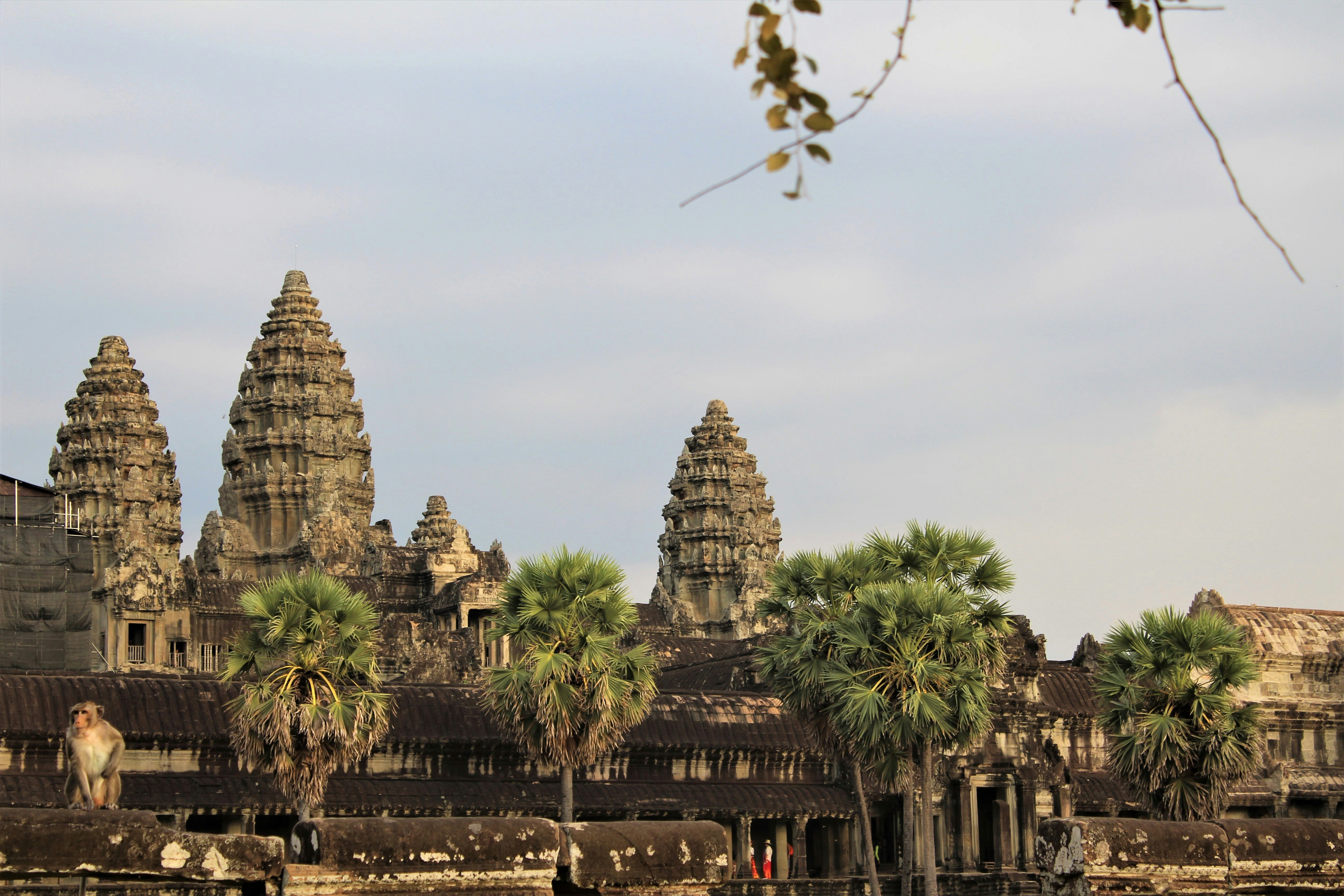
Cambodia carries the weight of the Khmer Rouge era and the complexities of rapid development, but the people building lives here don't ask to be defined by that history. Farmers in Battambang province grow rice and raise families. Artists in Siem Reap train in classical dance traditions that survived near-extinction. In the forested hills of Mondulkiri, Bunong communities protect ancestral land and the wildlife that depends on it. The humor is sharp, the hospitality is generous, and the stories are told on the storytellers' own terms.
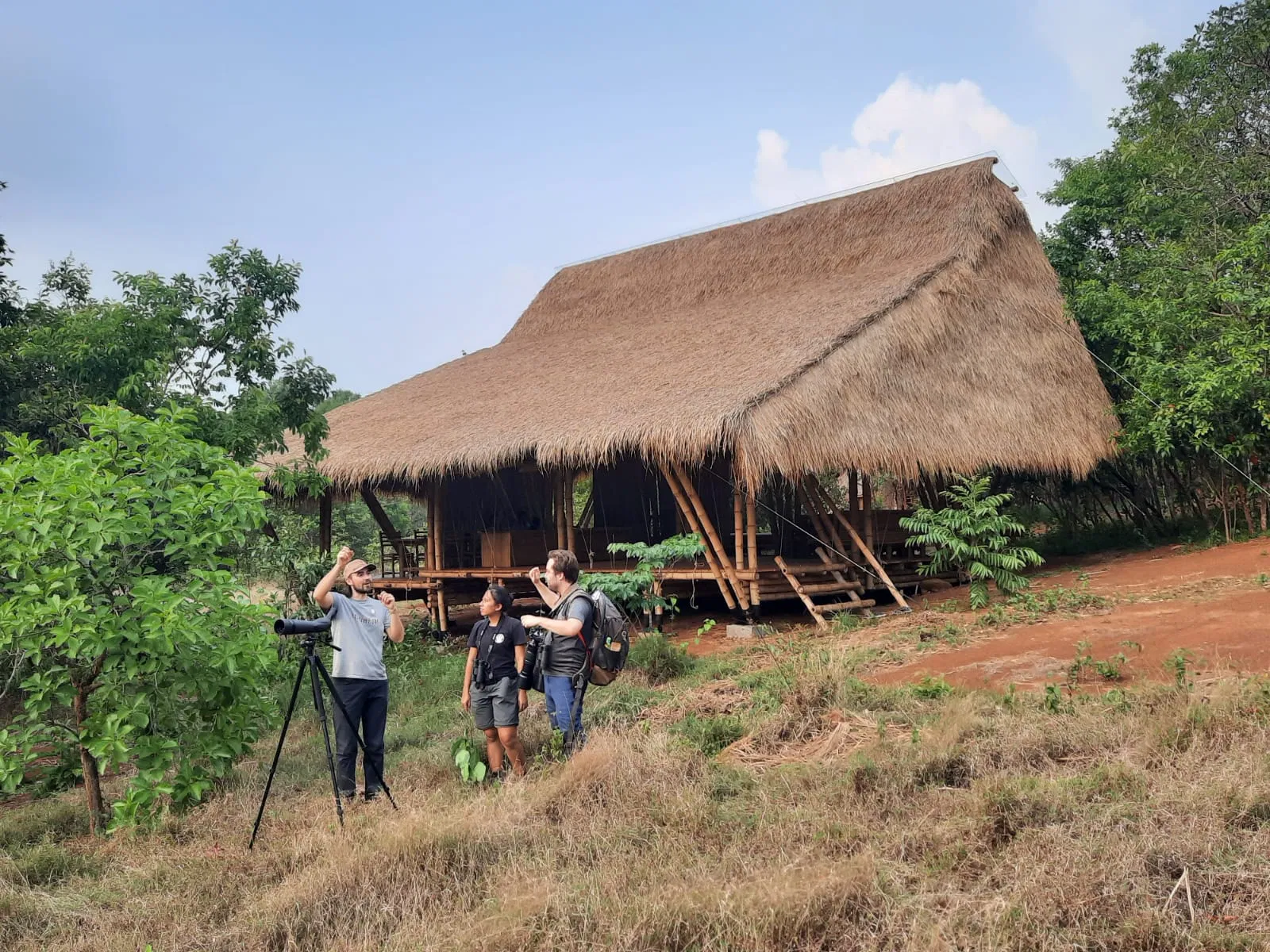
The mission of Jahoo is to safeguard ancestral Indigenous Bunong land and critical gibbon habitat for a thriving community and ecosystem. Providing unparalleled gibbon watching experiences whilst adhering to high standards set by the International Union for the Conservation of Nature.
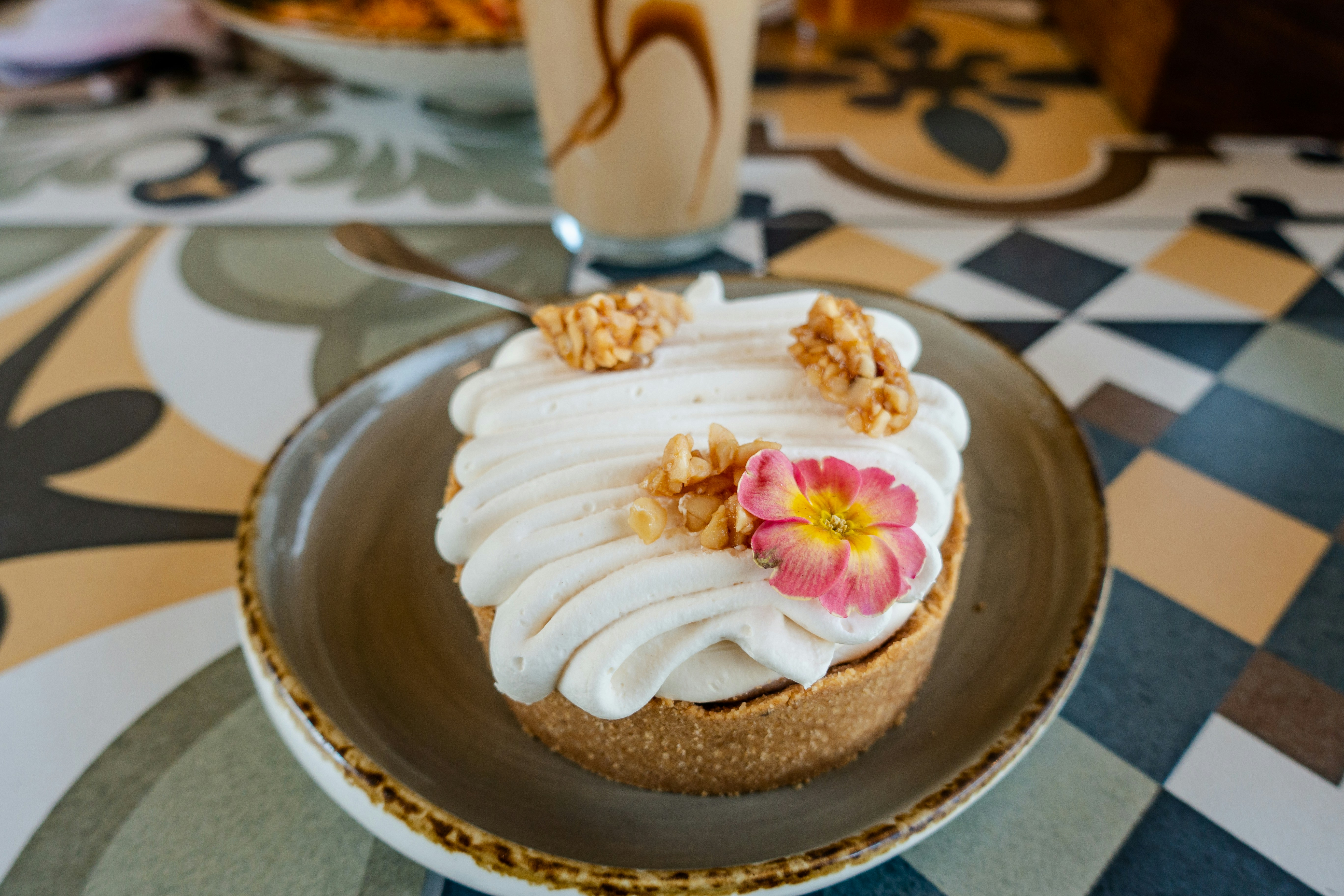
Local social enterprise supporting community livelihoods.
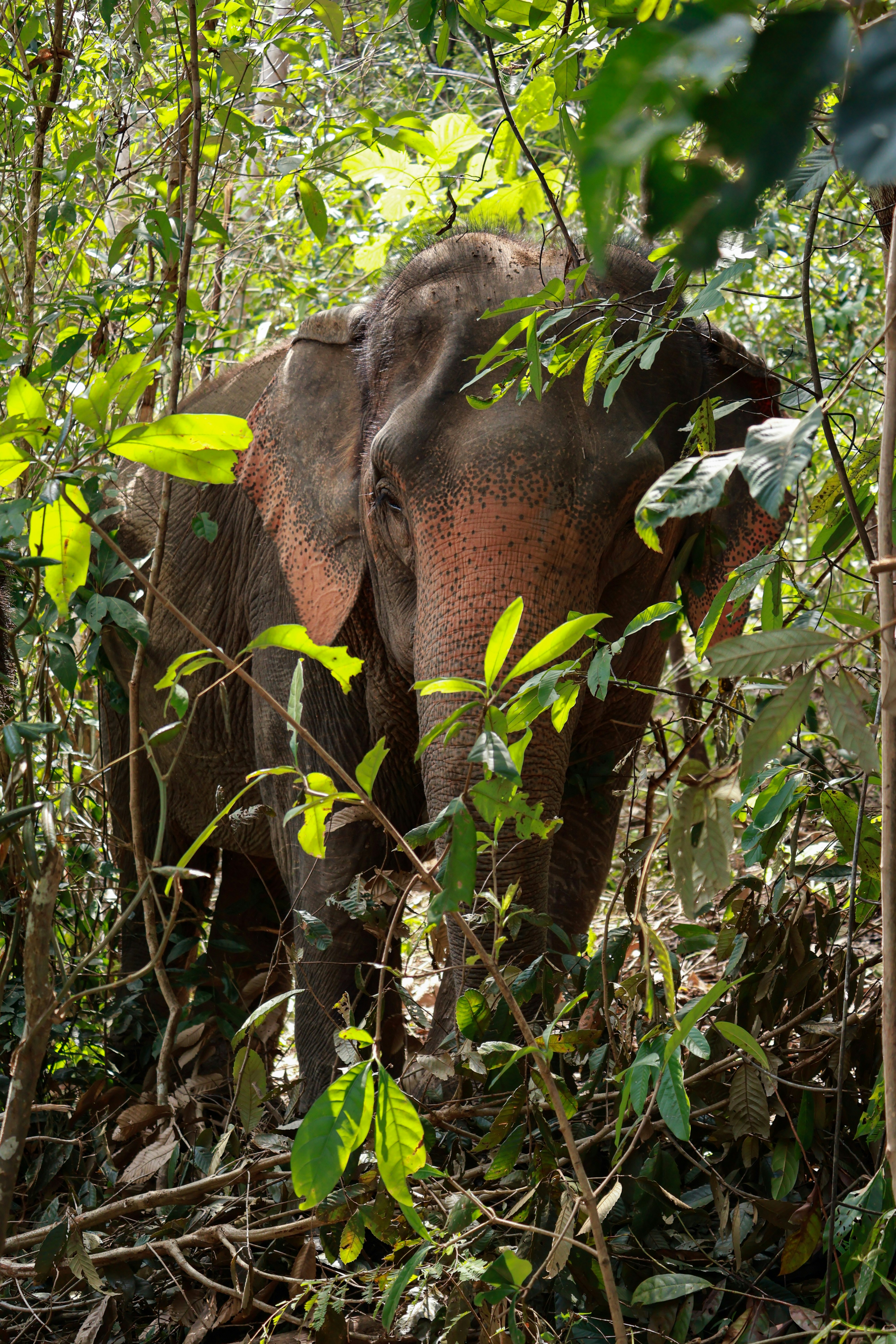
In 2007, the Elephant Valley Project was launched as an elephant sanctuary developed to create a home for injured and overworked elephants and is now a centerpiece for elephant conservation, which is located within Putrom's community land. ELIE is unique in terms of its primary source of funding, which comes directly from donations made by local and international visitors to the EVP. Since 2006 the NGO has evolved and grown, with the development of the EVP as a tourist attraction, providing a sustainable financing mechanism for funding all ELIE programs.
Show respect when visiting temples: cover shoulders and knees. Try local foods like amok and bamboo sticky rice. Learn a few Khmer greetings. Don't take photos of people without permission, especially in rural villages. Don't support orphanage tourism. Don't touch or climb on temple ruins.
Ideal weather for exploring temples, rural areas, and wildlife sanctuaries. Water Festival in November celebrates the reversing flow of the Tonle Sap River.
Dry heat with temperatures peaking in April. Early mornings are best for outdoor visits. Khmer New Year in April brings three days of celebrations.
Monsoon rains bring dramatic skies and vivid greenery. Waterfalls in Mondulkiri are at their best. Fewer tourists, slower travel, and more authentic local life.